 English
English
English
 English
Updated on 08.09.2026
The US is reviewing up to 200,000 B-1/B-2 visas held by individuals who applied for asylum after entering the country. Regular tourists and business travelers are not affected. A revoked visa is no longer valid for future entries, but does not automatically terminate ongoing proceedings.
Share article:
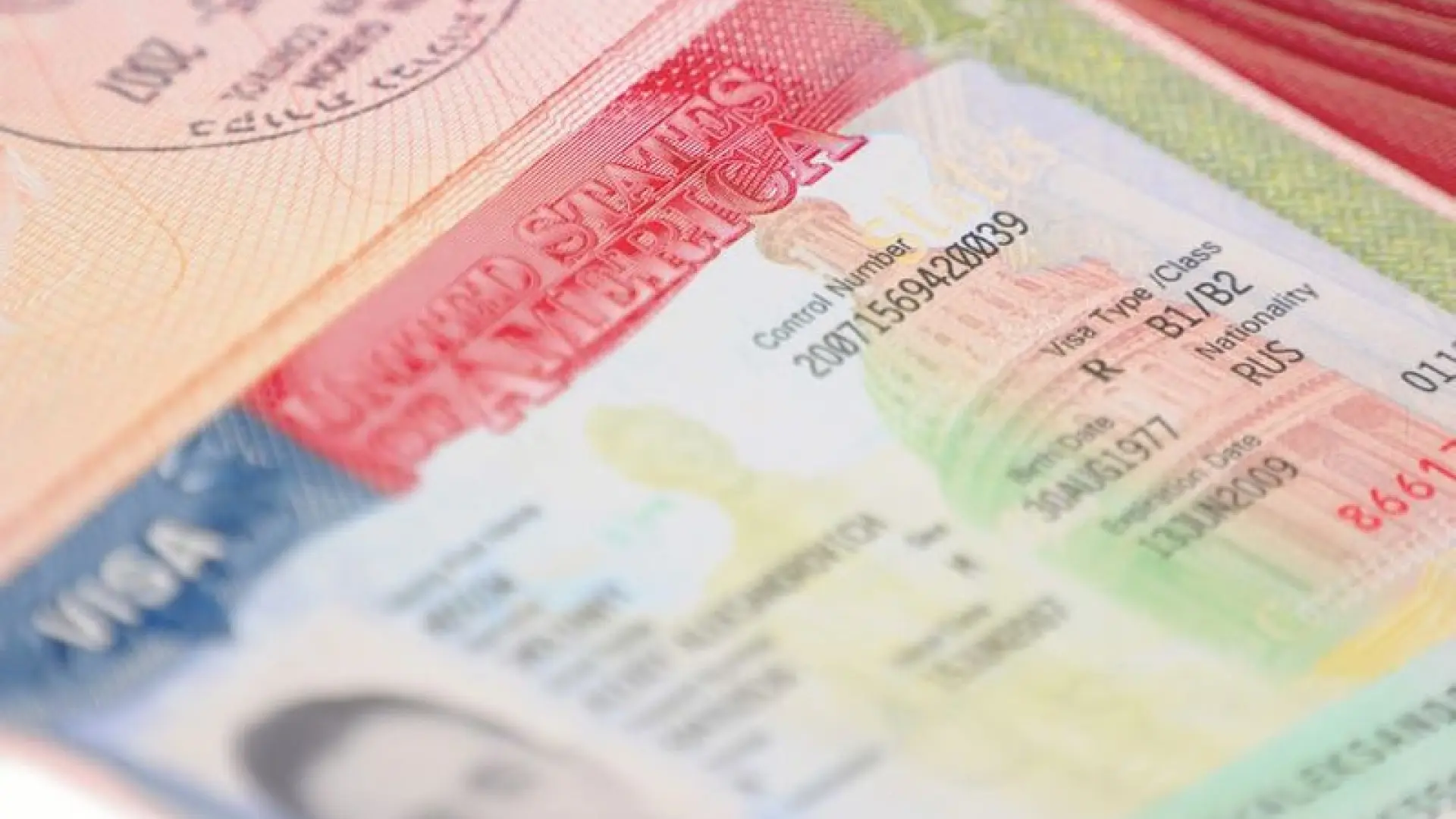
Reports of the planned review of up to 200,000 B-1/B-2 visas have caused uncertainty in recent days — especially among people who travel to the US regularly for business or personal reasons. Below, we explain who is actually affected by this measure, what’s behind it, and what the consequences of a visa revocation might be.
The report regarding the planned review and possible revocation of up to 200,000 B-1/B-2 visas initially caused some confusion. To clarify: Not all existing visas will be Visitor Visas reviewed or lifted. Regular business travelers and tourists generally have no reason to be concerned as a result of this measure.
Rather, the initiative is specifically aimed at a clearly defined group of people: those holding a B-1, B-2, or combined B-1/B-2 Visas who entered the United States and subsequently filed an asylum application.
To this end, the U.S. Department of State (DOS), in collaboration with the Department of Homeland Security (DHS), is reviewing relevant B visas issued between 2016 and 2026. Based on current information, up to 200,000 visas could be affected. This figure represents the potential scope of the measure — not 200,000 visas that have already been revoked.
The US administration justifies the measure, in particular, by citing the temporary nature of B-1/B-2 visas. Applicants must, when Visa Application demonstrate that they intend to travel to the US only temporarily for business or tourism purposes.
According to the State Department, an asylum application filed after entry may raise doubts as to whether that original intention actually existed. The focus here is on possible cases of fraud or misrepresentation: The administration assumes that, in certain cases, the intention to remain permanently in the U.S. may have already existed at the time the visa was applied for — even though only a temporary purpose of stay was stated to the consulate.
In this context, US authorities also speak of combating abusive or “frivolous” asylum claims and aim to prevent the asylum process from being used as a way to circumvent regular immigration regulations.
A late asylum application does not automatically mean that there was a misrepresentation in the original visa application. The visa review and the actual asylum proceedings must be distinguished from one another in legal terms.
The revocation of a B-1/B-2 visa for a person who is already in the United States does not, as a general rule, automatically result in the loss of any other immigration status, nor does it automatically terminate a pending asylum proceeding. However, once the individual has left the country, the revoked visa can no longer be used to re-enter the United States.
The current measure does not constitute a general review or revocation of B-1/B-2 visas. Regular business travelers and tourists are not affected by this. The measure specifically targets individuals who have filed an asylum application in the United States after entering the country on a B-1/B-2 visa.
Anyone who is unsure whether their own situation might be affected should seek legal advice early on in order to assess the potential consequences for their immigration status or future entry into the US.
Date:
Wir und unsere Partner nutzen Cookies, um personenbezogene Daten wie z.B. Browsing-Daten zu speichern und abzurufen, um z.B. Inhalte und Werbung bereitzustellen und zu personalisieren sowie die Verwendung der Website zu analysieren und das Benutzererlebnis zu verbessern. Sie erfahren mehr über die Zwecke, für welche wir und unsere Partner Cookies einsetzen, wenn Sie unten auf den Button „Cookie Einstellungen“ klicken. Hier können sämtliche Einstellungen auch geändert werden. Nachträglich kann man jederzeit seine Cookie-Auswahl überdenken oder seine Einwilligung widerrufen, indem man auf den Link zu den Cookie-Einstellungen im Footer unserer Webseite klickt. Beachten Sie bitte, dass das Blockieren einiger Cookie-Typen unsere Möglichkeiten zur Bereitstellung von auf Ihre Interessen zugeschnittenen Inhalten haben kann oder einige Funktionen der Webseite nur eingeschränkt zur Verfügung stehen.
Durch klicken auf “Alle Cookies akzeptieren” stimmen Sie unserer Nutzung und der Weitergabe Ihrer Daten an unsere Partner zu.